aldi take and bake pizza instructions

Aldi Take and Bake Pizza Instructions: A Comprehensive Guide
Aldi’s convenient take and bake pizzas offer a quick meal solution, requiring careful attention to baking details for optimal results; bake for 15-20 minutes at 375°F, ensuring even cooking and a delightful experience․
Understanding Aldi’s Pizza Philosophy
Aldi’s approach to take and bake pizzas centers on delivering exceptional value without compromising on taste, mirroring their broader business ethos of simplicity and efficiency․ They prioritize offering high-quality ingredients at remarkably affordable prices, making a satisfying pizza night accessible to a wider range of customers․
This philosophy extends to the pizza-making process itself, focusing on streamlined production and minimal waste․ Aldi doesn’t aim for elaborate, gourmet pizzas; instead, they concentrate on perfecting classic flavors and providing a consistently good product․ The emphasis is on providing a convenient, enjoyable experience, allowing customers to easily create a delicious meal at home with minimal effort․ This aligns with Aldi’s core value of responsibility, offering a practical solution for busy lifestyles․
Aldi’s Business Model & Core Values
Aldi’s distinctive business model is built upon three core values: simplicity, responsibility, and consistency, profoundly influencing their take and bake pizza offerings․ Simplicity is evident in streamlined operations, like manual pallet usage, reducing costs passed onto consumers․ Responsibility manifests in quality ingredients and efficient resource management, ensuring affordability without sacrificing taste․ Consistency guarantees a reliable product experience every time․
This model translates to fewer product variations, focusing on popular choices like cheese and pepperoni, and efficient store layouts․ Aldi minimizes marketing expenses and relies on word-of-mouth, further contributing to lower prices․ Their commitment to these values extends to the pizza production process, ensuring a consistently high-quality, budget-friendly option for customers seeking a convenient meal․
The Popularity of Aldi Take and Bake Pizzas
Aldi’s take and bake pizzas have gained significant popularity due to their exceptional value and convenience, becoming a staple for quick and affordable meals․ Consumers appreciate the ability to enjoy a “freshly baked” pizza experience without the fuss of homemade dough or high delivery costs․ The pizzas consistently receive positive reviews for their taste and affordability, fostering strong customer loyalty․
Their appeal extends to busy individuals and families seeking a hassle-free dinner solution․ The ease of preparation – simply adding toppings and baking – contributes to their widespread adoption․ Social media platforms frequently feature enthusiastic endorsements, further amplifying their popularity․ Aldi’s commitment to quality ingredients at low prices has cemented these pizzas as a customer favorite․

Preparing for Baking
Before baking, carefully review the packaging for specific instructions; preheat your oven to 375°F, and position the rack for even heat distribution․
Checking the Packaging for Specific Instructions
Always begin by meticulously examining the Aldi take and bake pizza’s packaging; variations exist between flavors, and precise instructions are crucial for a perfectly cooked pizza․ Pay close attention to the recommended baking temperature, as some varieties may differ slightly from the standard 375°F․
Note any specific guidance regarding bake time, especially if you’ve chosen a flavor beyond the classic cheese or pepperoni․ The packaging will also indicate whether any pre-baking preparation is needed, such as removing a protective film or adding extra toppings․ Ignoring these details can lead to an undercooked or overcooked pizza, diminishing the overall enjoyment․ Confirming these details ensures a successful baking experience, tailored to your specific pizza selection․
Preheating Your Oven to the Correct Temperature
Proper preheating is paramount for achieving a crispy crust and thoroughly melted cheese with your Aldi take and bake pizza․ Generally, a temperature of 375°F (190°C) is recommended, but always verify the specific instructions on the pizza’s packaging, as slight variations may apply․
Allow sufficient time for your oven to reach the desired temperature – typically 15-20 minutes – ensuring even heat distribution․ Using an oven thermometer can confirm accuracy․ A fully preheated oven guarantees the pizza cooks uniformly, preventing a soggy bottom or unevenly melted toppings․ Skipping this step can significantly impact the final result, leading to a less-than-satisfactory pizza experience․ Consistent temperature is key for optimal baking․
Optimal Oven Rack Placement
Strategic oven rack placement is crucial for perfectly baked Aldi take and bake pizzas․ The middle rack is generally recommended, as it provides balanced heat from both the top and bottom heating elements․ This positioning promotes even cooking of the crust and ensures the cheese melts uniformly without burning․
Avoid placing the pizza too close to the top heating element, which could result in a scorched crust before the cheese fully melts․ Similarly, positioning it too low might lead to a soggy bottom․ Experimentation with your specific oven may be necessary, but starting with the middle rack is a reliable approach․ Consistent rack position throughout baking is vital for predictable results and a delicious pizza․
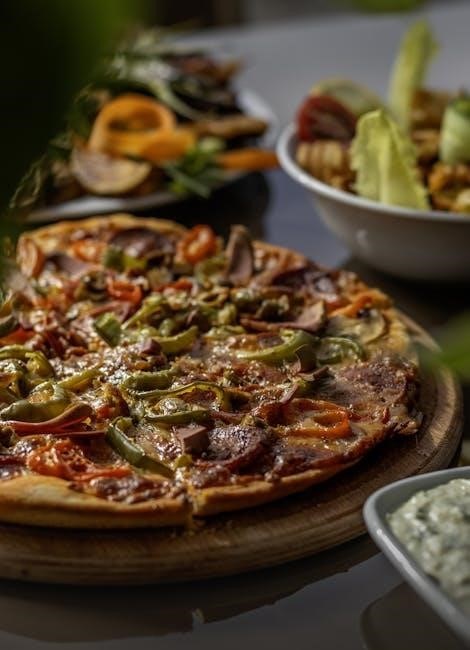
Baking Instructions: Step-by-Step
Preheat your oven, place the pizza on a middle rack, and bake for 15-20 minutes; monitor closely, adjusting time based on the specific pizza type․
Initial Bake Time (15-20 Minutes)
Begin by placing your Aldi take and bake pizza directly onto the middle rack of your preheated oven, set to 375°F (190°C)․ The initial bake time typically ranges between 15 to 20 minutes, but this is a guideline, not a rigid rule․ It’s crucial to start checking the pizza around the 15-minute mark to prevent overcooking, especially for cheese varieties․
During these first few minutes, the crust will begin to firm up, and the cheese will start to melt․ Keep a close watch, as oven temperatures can vary․ Remember, baking only one pizza at a time yields the best results, ensuring even heat distribution․ This initial phase sets the foundation for a perfectly cooked pizza, so attentive monitoring is key to success․
Don’t be afraid to adjust the bake time slightly based on your oven and the specific pizza you’re preparing․
Monitoring Pizza During Baking
Consistent monitoring is paramount while baking your Aldi take and bake pizza․ After the initial 15 minutes, peek into the oven – avoid opening the door frequently, as this releases heat and extends cooking time․ Observe the cheese; it should be melting and bubbling, transitioning from opaque white to a golden hue․ Simultaneously, assess the crust’s color, looking for a light golden-brown appearance․
Rotate the pizza halfway through the baking process to ensure even cooking, especially if your oven has hot spots․ Pay attention to any areas that seem to be browning too quickly; if so, consider reducing the oven temperature slightly or shielding those areas with foil․ Careful observation allows for timely adjustments, guaranteeing a perfectly cooked pizza․
Remember, visual cues are your best guide!
Adjusting Bake Time Based on Pizza Type (Cheese vs․ Pepperoni)
Aldi’s take and bake pizzas, while generally following a 15-20 minute bake time at 375°F, may require slight adjustments based on the variety․ Cheese pizzas typically reach optimal doneness within the lower end of that range – around 15-17 minutes – as they require less time for the toppings to fully heat through․
Pepperoni pizzas, due to the added protein content, often benefit from a slightly longer bake time, generally 18-20 minutes․ This ensures the pepperoni crisps up and releases its flavorful oils․ Always monitor the pizza closely, regardless of the type, and rely on visual cues like melted cheese and a golden-brown crust․

Experimentation is key to finding the perfect bake time for your preferred Aldi pizza!
Baking Only One Pizza at a Time for Best Results
To achieve the most consistently delicious results with your Aldi take and bake pizza, it’s highly recommended to bake only one pizza at a time․ Overcrowding the oven restricts airflow, leading to uneven cooking – potentially resulting in a soggy crust or undercooked toppings in the center․
Baking a single pizza allows for optimal heat circulation, ensuring the crust crisps up evenly and the cheese melts uniformly across the entire surface․ While tempting to bake multiple pizzas simultaneously for convenience, the slight increase in bake time is a worthwhile trade-off for superior quality․
For best results, bake for 18-21 minutes, and remember to monitor closely!

Checking for Doneness
Ensure the pizza is done by looking for melted cheese and a golden-brown crust; use a cutter to test the crust’s firmness for perfect results․
Visual Cues: Melted Cheese and Golden Crust
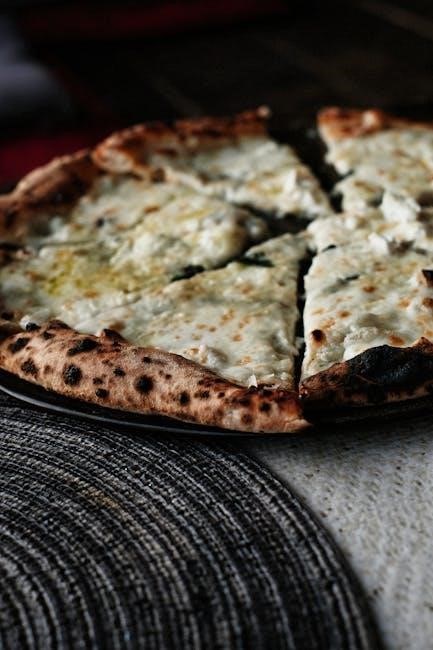
Determining when your Aldi take and bake pizza is perfectly cooked relies heavily on visual inspection; the cheese should be fully melted, exhibiting a bubbly and slightly browned appearance, indicating it has reached the ideal temperature and texture․
Simultaneously, the crust’s color transformation is a key indicator – it should transition to a golden-brown hue, signifying it’s crisp and fully baked․ Avoid relying solely on time, as ovens vary; instead, prioritize these visual cues for consistent results․
A uniformly melted cheese layer, coupled with a golden-brown crust, assures a satisfyingly cooked pizza․ If the cheese isn’t fully melted or the crust remains pale, extend the baking time in short increments, continually monitoring for the desired visual changes․
Using a Pizza Cutter or Knife to Test Crust
Beyond visual cues, physically testing the crust’s firmness provides an additional layer of assurance regarding doneness; carefully insert a pizza cutter or knife under the edge of the pizza, gently lifting to assess its rigidity․
A properly baked crust will offer resistance, feeling firm and holding its shape without excessive bending or floppiness․ If the crust yields easily or appears doughy, it requires further baking time․ This method offers a tactile confirmation complementing the visual assessment․
Exercise caution when using a cutter or knife, as the pizza and tray will be hot․ This simple test, combined with observing melted cheese and a golden crust, ensures a perfectly cooked Aldi take and bake pizza every time․
Internal Temperature Considerations (If Applicable)
While Aldi take and bake pizza instructions typically rely on visual cues, confirming internal temperature offers the most precise doneness assessment, particularly for food safety․ Though not explicitly stated on packaging, ensuring the internal temperature reaches 165°F (74°C) is a best practice․
Use a food thermometer inserted into the thickest part of the pizza, avoiding contact with the tray․ This guarantees thorough cooking, eliminating potential risks associated with undercooked ingredients․ Consistent temperature verification provides peace of mind․
Remember, oven variations can impact baking times, making temperature checks invaluable․ Prioritizing internal temperature alongside visual indicators ensures a safe and delicious pizza experience, exceeding standard guidelines․
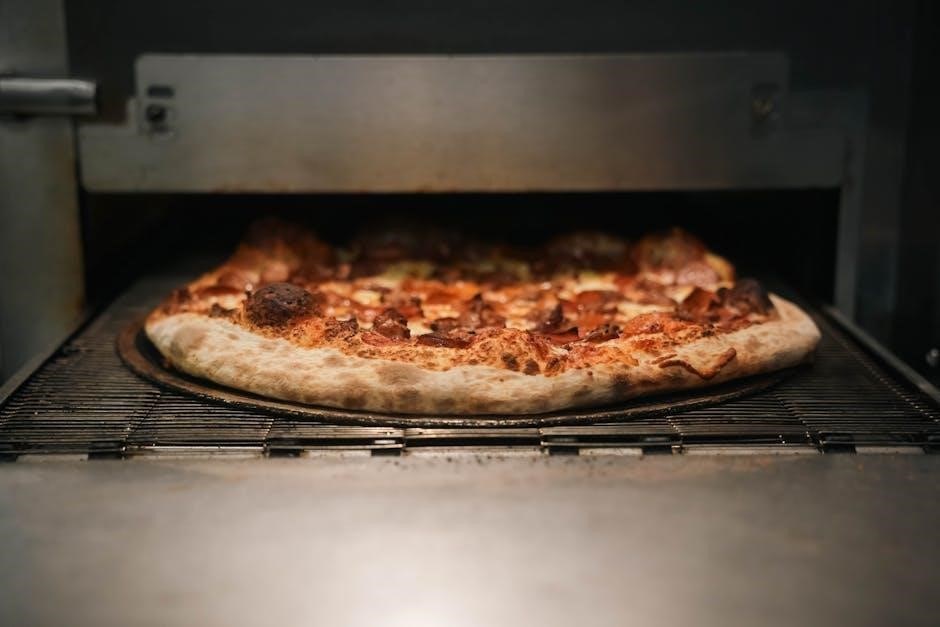
Post-Baking Procedures
Carefully remove the hot pizza from the oven, allowing a brief cooling period before slicing and serving for optimal flavor and enjoyment․
Removing the Pizza from the Oven (Caution: Hot Tray!)
Exercise extreme caution when removing the Aldi take and bake pizza from the oven, as both the pizza itself and the baking tray will be exceptionally hot․ Utilize oven mitts or heat-resistant gloves to protect your hands from burns․ Gently slide the pizza, still on the tray, onto a heat-safe surface, such as a large cutting board or trivet․
Avoid placing the hot tray directly onto countertops or tables, as this could cause damage․ Be mindful of your surroundings, ensuring there is ample space to maneuver and prevent accidental contact with the hot surface․ Take your time and maintain a firm grip on the tray to avoid any mishaps․ Remember, safety is paramount when handling hot items from the oven, and a little extra care can prevent painful injuries․
Cooling Time Before Slicing
Allowing sufficient cooling time before slicing your Aldi take and bake pizza is crucial for achieving clean cuts and preventing a messy experience․ Immediately after removing the pizza from the oven, let it rest for approximately 5-10 minutes․ This allows the melted cheese to set slightly and the toppings to adhere better, preventing them from sliding off during slicing․
Resisting the urge to slice immediately will also protect your pizza cutter or knife from becoming clogged with molten cheese․ A brief cooling period ensures a more enjoyable and presentable final product․ Patience is key; a well-rested pizza slices effortlessly, maintaining its structural integrity and maximizing flavor enjoyment․ This simple step elevates the entire pizza-eating experience․
Slicing and Serving Suggestions
Once cooled, utilize a pizza cutter or a sharp knife to slice your Aldi take and bake pizza into desired portions․ A rocking motion with the cutter ensures clean, even slices․ For a traditional presentation, aim for 8 slices, but adjust based on appetite and preference․
Serving suggestions include pairing your pizza with a fresh side salad for a balanced meal․ Consider adding a sprinkle of red pepper flakes for a touch of heat or a drizzle of garlic-infused olive oil for enhanced flavor․ Aldi offers a variety of complementary sides, such as breadsticks or coleslaw․ Enjoy immediately for the best taste and texture․ Don’t forget napkins – a delicious pizza deserves a comfortable experience!
Troubleshooting Common Issues
If pizza isn’t fully cooked, extend baking time; for burnt crusts with unmelted cheese, lower the temperature or shield the crust․ Ensure even cooking by rotating․

Pizza Not Fully Cooked
Encountering an undercooked Aldi take and bake pizza is a common issue, often easily resolved with a simple adjustment to the baking process․ First, verify your oven’s temperature accuracy using an oven thermometer, as discrepancies can significantly impact cooking times․ If the temperature is correct, extend the baking time in 2-3 minute increments, carefully monitoring the pizza after each addition․
Ensure the pizza is placed on the optimal oven rack – typically the middle rack – for even heat distribution․ Avoid overcrowding the oven, as this can hinder proper airflow and lead to uneven cooking․ If you’ve added extra toppings, they may require a longer baking time․ Consider briefly broiling the pizza during the final minutes, but watch closely to prevent burning․ Remember, patience and observation are key to achieving a perfectly cooked pizza!
Crust Burning Before Cheese Melts
Addressing a scenario where the Aldi take and bake pizza crust browns too quickly while the cheese remains unmelted requires a strategic approach․ Lowering the oven temperature by 25°F can help slow down crust browning, allowing the cheese more time to melt․ Shielding the crust with aluminum foil during the latter half of the baking process is another effective technique․
Ensure the pizza isn’t positioned too close to the oven’s heating element․ Moving it to a lower rack can mitigate this issue․ If using a baking stone or steel, preheating it for a shorter duration might prevent excessive heat transfer to the crust․ Remember to monitor closely and adjust baking time accordingly․ A slightly longer bake at a lower temperature often yields a perfectly melted cheese and a golden-brown, not burnt, crust․
Unevenly Cooked Pizza
Experiencing an Aldi take and bake pizza with unevenly cooked areas – some spots burnt, others still doughy – is frustrating, but often fixable․ Rotating the pizza halfway through the baking time is crucial for even heat distribution․ Ensure your oven isn’t prone to hot spots; some ovens naturally cook unevenly․
If unevenness persists, consider using a pizza stone or baking steel, preheated thoroughly, to provide consistent heat․ Avoid overcrowding the oven; baking only one pizza at a time ensures optimal airflow․ Check your oven’s temperature accuracy with an oven thermometer․ Adjust baking time slightly, adding a few minutes if needed, while closely monitoring for doneness․ A consistent temperature and proper rotation are key to a uniformly cooked pizza․
Aldi Pizza Varieties & Potential Variations
Aldi offers diverse take and bake pizza flavors, inviting customization with added toppings to enhance the experience and create personalized, delicious meals․
Exploring Different Aldi Take and Bake Pizza Flavors
Aldi’s selection of take and bake pizzas extends beyond the classic cheese and pepperoni, offering a delightful range of options to satisfy diverse palates․ Customers can discover varieties like supreme, featuring a medley of meats and vegetables, or specialty pizzas with unique flavor combinations․
The availability of these flavors can vary depending on location and seasonal offerings, encouraging exploration during each shopping trip․ Beyond the standard options, Aldi occasionally introduces limited-edition flavors, adding an element of surprise and excitement for pizza enthusiasts․
These diverse choices allow consumers to easily switch up their pizza nights, ensuring there’s always a new and tasty option to enjoy․ Regularly checking Aldi’s weekly ads and in-store displays is the best way to stay informed about the latest pizza flavor additions․
Adding Your Own Toppings
Aldi’s take and bake pizzas serve as a fantastic base for customization, allowing you to create a truly personalized pizza experience․ Feel free to enhance the flavor profile by adding your favorite toppings before baking․ Popular choices include fresh vegetables like mushrooms, onions, and bell peppers, alongside additional meats such as sausage or bacon․
Consider experimenting with different cheeses beyond mozzarella, like cheddar, provolone, or parmesan, to add complexity․ A sprinkle of herbs and spices, such as oregano, basil, or red pepper flakes, can also elevate the taste․
Remember to distribute toppings evenly for consistent flavor in every slice․ Don’t overload the pizza, as excessive toppings can hinder proper cooking and result in a soggy crust․ Get creative and enjoy the process of crafting your perfect Aldi pizza!
Adapting Instructions for Different Oven Types
Aldi’s take and bake pizza instructions are generally designed for conventional ovens, but adjustments may be necessary for other types․ For convection ovens, reduce the baking temperature by 25°F (approximately 15°C) and check for doneness a few minutes earlier, as they cook faster․
If using a gas oven, ensure proper calibration for accurate temperature․ Electric ovens can sometimes have hot spots, so rotating the pizza halfway through baking can promote even cooking․
Toaster ovens are generally not recommended for baking full-size Aldi pizzas due to size limitations and uneven heating․ Always monitor the pizza closely, regardless of oven type, and adjust baking time as needed to achieve a golden crust and melted cheese․
Aldi Recruitment Process Insights
Aldi’s recruitment involves assessments, group exercises with area managers, and video interviews; researching the company’s core values – simplicity, responsibility, and consistency – is crucial․
Preparing for Aldi Assessments
Aldi’s assessment process is designed to evaluate candidates thoroughly, often beginning with group exercises alongside the area manager, involving multiple applicants at a single table․ Success hinges on demonstrating an understanding of Aldi’s operational philosophy, which prioritizes efficiency and cost-effectiveness․ Thorough research into the company’s business model – notably its reliance on manual pallet systems and streamlined logistics – is paramount․
Candidates should familiarize themselves with Aldi’s three core values: simplicity, responsibility, and consistency․ Preparing thoughtful responses to behavioral questions, such as “Tell me about yourself?”, is vital, focusing on how your skills align with these principles․ Demonstrating a proactive approach and a willingness to learn will significantly enhance your performance․ Remember, Aldi seeks individuals who can quickly adapt and contribute to a fast-paced environment․
Understanding Aldi Interview Questions
Aldi interviews frequently begin with broad questions, such as “Tell me about yourself?”, requiring a structured and concise response that highlights relevant skills and experiences․ A successful answer demonstrates self-awareness and a clear understanding of how your attributes align with Aldi’s core values – simplicity, responsibility, and consistency․ Expect questions probing your understanding of Aldi’s unique business model, including its emphasis on efficient operations and cost control․
Preparation should involve researching the company’s history and current market position․ Be ready to discuss scenarios requiring problem-solving and teamwork․ Video interviews are a common next step, so ensure a professional setting and strong communication skills․ Demonstrating initiative and a proactive attitude will impress interviewers, showcasing your potential contribution to the Aldi team․