all hand mudras pdf
Overview of Hand Mudras
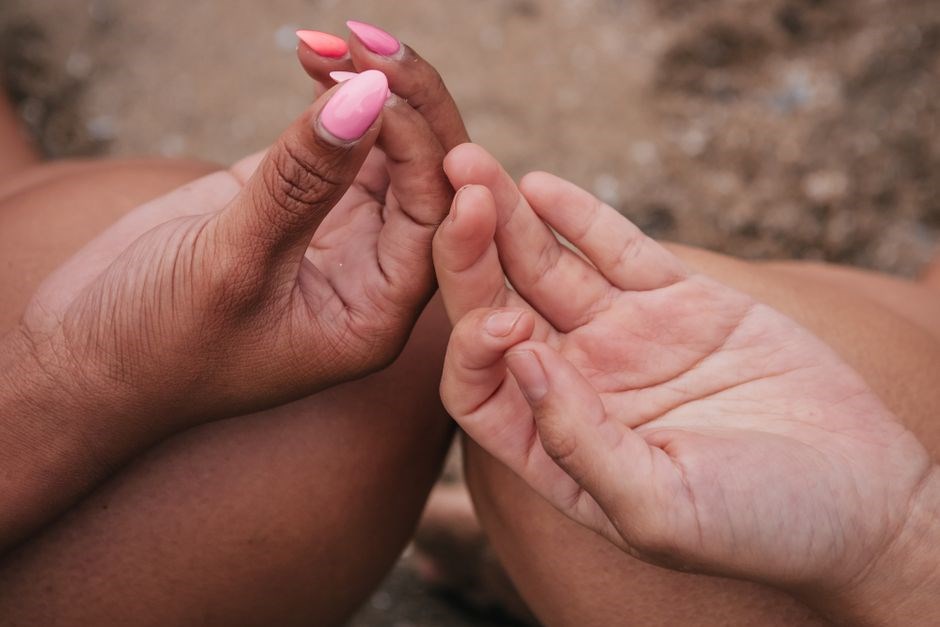
Mudras are hand gestures that channel energy through the body’s Nadis, shaping focus and balance․ They originate in Sanskrit, meaning ‘gesture,’ and are integral to yoga, meditation, and healing practices worldwide․ A PDF guide catalogs thousands of signs, their meanings, and uses for all users․ now
Historical Context of Mudras
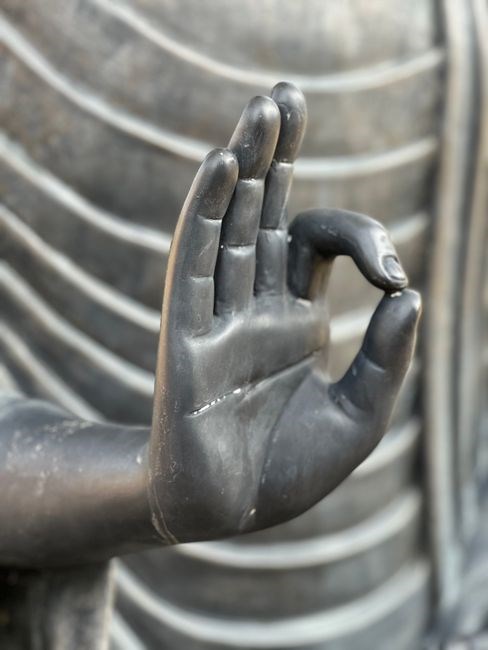
Mudras trace back to ancient Vedic scriptures, where they were used as symbolic tools to convey complex spiritual concepts․ The Sanskrit term, meaning “gesture,” reflects their role in directing subtle energy through the body’s Nadis, or energy channels․ Early yogic texts describe mudras as a bridge between the physical and the metaphysical, allowing practitioners to channel prana (life force) into specific chakras․ Over centuries, these hand signs evolved, integrating influences from Tantric traditions, Buddhist meditation practices, and regional folk rituals․ In medieval India, illuminated manuscripts began to illustrate mudras alongside deities, underscoring their importance in ritualistic worship․ The 19th‑century revival of yoga in the West introduced mudras to a broader audience, often accompanied by detailed manuals and hand‑drawn diagrams․ Modern research has begun to map mudra effects on brainwave patterns and hormonal responses, validating centuries of experiential knowledge․ Today, comprehensive PDFs compile thousands of mudras, providing step‑by‑step instructions, symbolic meanings, and suggested contexts for practice․ These digital resources democratize access, enabling practitioners worldwide to explore the rich heritage of hand gestures in a structured, user‑friendly format․ By integrating these mudras into daily routines, practitioners report heightened clarity, reduced stress, and a deeper sense of inner balance, making the practice accessible to all daily!!
Benefits of Practicing Mudras
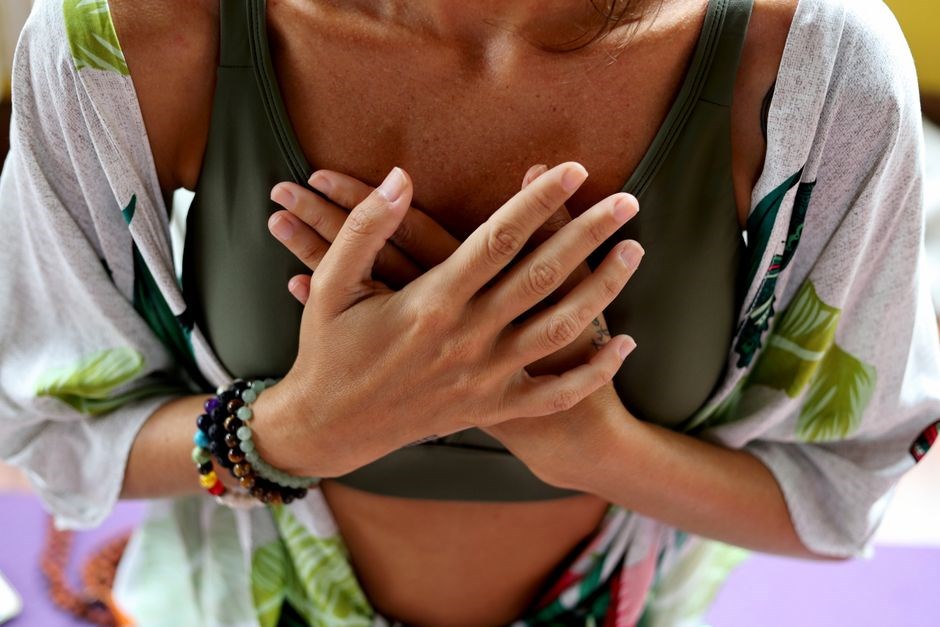
Incorporating mudras into daily routines offers a spectrum of physiological advantages․ By aligning finger joints with specific chakras, practitioners can stimulate blood flow, enhancing oxygen delivery to tissues and promoting cellular regeneration․ Studies indicate that repetitive hand gestures modulate the autonomic system, lowering heart rate variability and reducing cortisol levels, which translates to calmer, more focused mental states․ The subtle activation of the vagus nerve through thumb‑index contact has been linked to improved digestion and immune response, while the “Gyan” mudra (thumb‑middle finger) is associated with heightened memory retention and cognitive flexibility․ In meditation, mudras serve as visual anchors, reducing the tendency for the mind to drift, thereby extending sustained attention spans․ Moreover, the tactile feedback from holding a mudra encourages proprioceptive awareness, fostering a deeper mind‑body connection that supports emotional regulation․ For practitioners seeking to balance energy, the “Shiva” mudra (index‑middle finger) is reputed to harmonize the solar plexus and heart centers, cultivating compassion and self‑confidence․ Finally, the collective practice of mudras in group settings can reinforce social cohesion, as synchronized hand movements generate shared rhythmic patterns that enhance group empathy and collective focus․ Additionally, regular mudra practice can improve respiratory efficiency by encouraging diaphragmatic breathing, and it has been observed to aid in the management of chronic pain conditions by redirecting attention away from discomfort․ Practitioners also report enhanced creativity, as the symbolic gestures stimulate the creative centers of the brain, fostering innovative problem‑solving skills․ In a digital age, the accessibility of PDF guides allows individuals to experiment safely, ensuring correct finger positioning and preventing strain․ The cumulative effect of these benefits positions mudras as a versatile tool for well‑being, suitable for beginners and advanced practitioners․ Moreover, the rhythmic repetition of mudras can synchronize heart rate with breathing patterns, fostering deep meditative state․
Classification of Mudras by Purpose
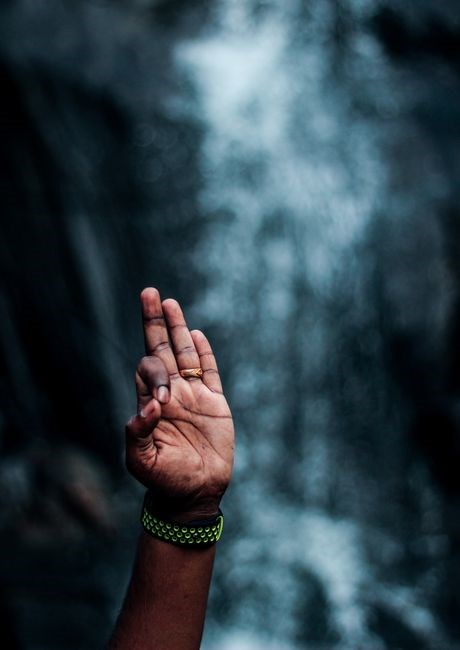
Hand mudras are systematically grouped according to the specific intent they serve․ The most common categories include:
- Healing Mudras – These gestures target specific organs or systems, promoting circulation, detoxification, and immune resilience․ Examples such as the “Vajra” and “Anjali” are frequently cited in Ayurvedic texts․
- Concentration Mudras – Designed to anchor the mind, these signs aid in sustaining attention during meditation or breathwork․ The “Gyan” and “Kali” mudras are staples in many yoga curricula․
- Energy‑Balancing Mudras – By aligning the subtle body’s Nadis, these signs facilitate the flow of prana, harmonizing the chakras․ The “Shiva” and “Kundalini” mudras are renowned for their transformative effects․
- Transformation Mudras – These gestures are employed in rituals or advanced practice to catalyze personal change, fostering resilience and empowerment․ The “Suryaprabha” and “Brahma” mudras exemplify this category․
- Protective Mudras – Often used in daily life, they serve as a shield against negative energies or stress․ The “Kali” and “Buddha” mudras are common choices for this purpose․
Each category is supported by detailed PDF manuals that provide step‑by‑step illustrations, energetic explanations, and recommended practice durations, enabling practitioners to select the most appropriate mudra for their current goals․
In practice, the selection of a mudra depends on the practitioner’s physiological state, emotional needs, and the context of the session․ For instance, a beginner might start with the “Anjali” to cultivate grounding, while an advanced meditator may integrate the “Suryaprabha” to intensify inner fire․ The PDF resources often include comparative charts that illustrate how subtle variations in finger placement alter the energetic output, allowing users to fine‑tune their practice․ By systematically exploring these categories, individuals can create a personalized mudra repertoire that evolves with their growth, ensuring that each gesture remains relevant and effective throughout their journey․
Furthermore, many contemporary scholars emphasize the importance of integrating mudras with breath control and visualization․ The PDF guides frequently incorporate breathing patterns synchronized with each mudra, such as inhaling through the left nostril while forming the “Buddha” mudra, and exhaling through the right․ This triad—gesture, breath, and intention—creates a holistic modality that enhances the overall efficacy of the practice․ Users are encouraged to record their experiences in a journal, noting any shifts in mood, clarity, or physical sensations․ Over time, this reflective practice not only deepens the understanding of mudra mechanics but also reinforces the habit loop, making the daily integration of mudras a natural part of one’s lifestyle․
The PDF also lists contraindications, advising against certain mudras during pregnancy, acute illness, or specific ailments․ This safety guidance helps users align practice with health, maximizing benefits while minimizing risk․ daily!
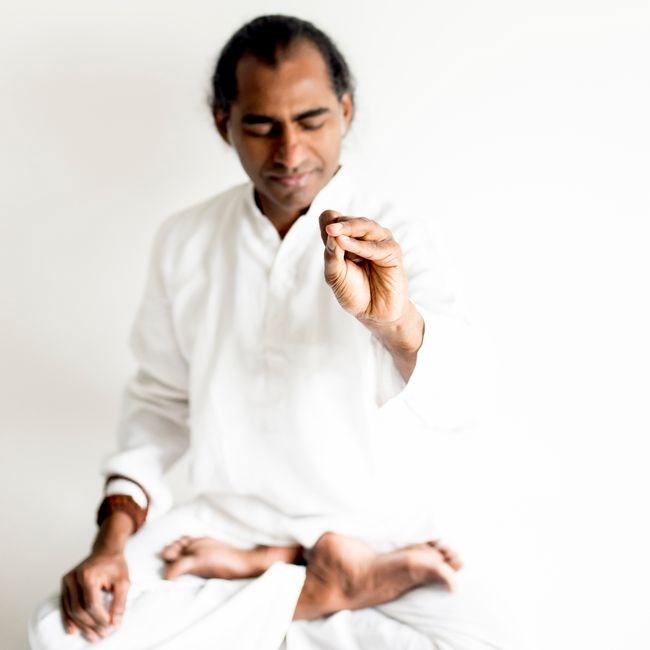
Common Hand Mudras in Yoga Practice
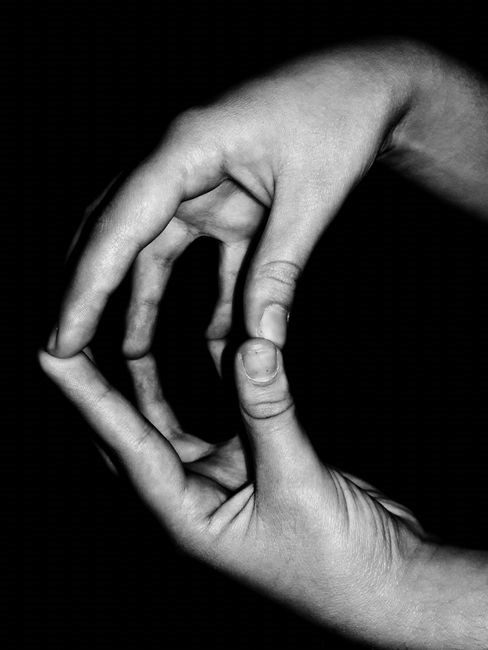
In daily yoga sessions, practitioners often rely on a handful of hand gestures that amplify breath, focus, and energy flow․ The most frequently referenced mudras include the Anjali (salutation), the Gyan (knowledge), the Shiva (divine power), the Buddha (enlightenment), and the Vajra (thunderbolt)․ Each of these signs is supported by a concise PDF guide that offers step‑by‑step illustrations, energetic rationale, and recommended practice duration․
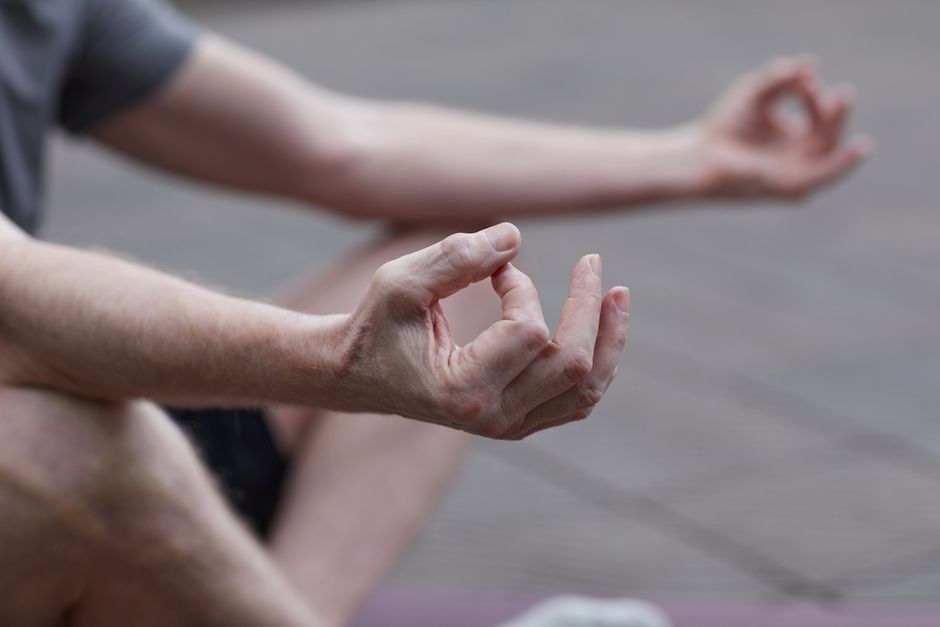
The Anjali mudra, with palms pressed together at the heart center, is used to cultivate grounding and harmony․ It is often paired with a slow inhalation, encouraging the practitioner to center attention before moving into more dynamic asanas․
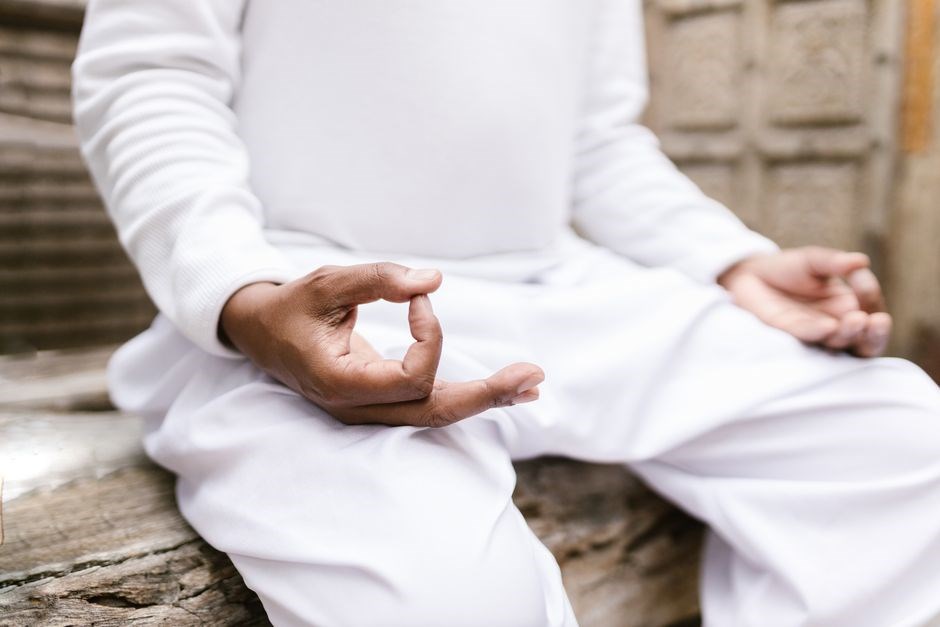
The Gyan mudra, formed by touching the thumb to the middle finger while the other fingers remain extended, stimulates the pineal gland and promotes clarity․ In the PDF, practitioners are advised to hold the gesture for 30 seconds during seated meditation․
The Shiva mudra, where the thumb and index finger touch while the other fingers are curled, is associated with the flow of pranic energy through the central channel․ This gesture is commonly used in pranayama sequences to enhance the upward movement of breath․
The Buddha mudra, with the thumb and index finger touching and the other fingers extended, is a symbol of compassion and balance․ The PDF manual recommends incorporating it into restorative poses to calm the nervous system․
The Vajra mudra, a fist with the thumb tucked under the index finger, is believed to fortify the body’s resilience․ It is often practiced during standing postures to reinforce stability and grounding․
These mudras are not only symbolic; they are functional tools that align the body’s subtle energy centers․ The PDF resources provide comparative charts that detail how slight variations in finger placement can alter the energetic output, allowing practitioners to tailor each gesture to their current needs․ By integrating these common mudras into daily practice, yogis can deepen their connection to breath, intention, and the subtle body, creating a holistic experience that supports both physical and spiritual growth․
For those seeking deeper mastery, the PDF includes guided audio sessions, progressive difficulty levels, and a community forum for insights!
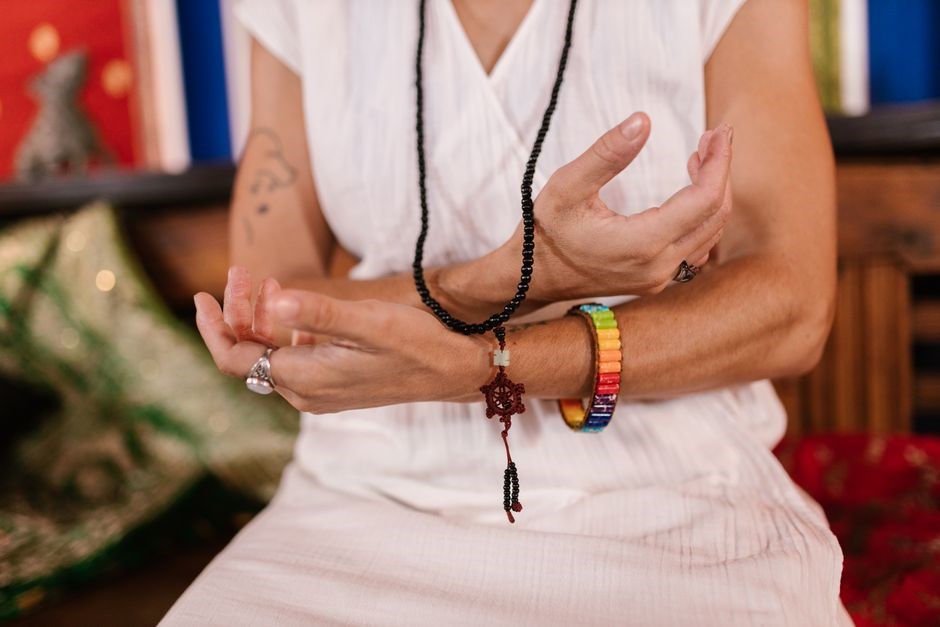
Advanced Mudras for Meditation
Beyond the foundational gestures, seasoned practitioners turn to nuanced mudras that refine consciousness and deepen meditative states․ The Jñāna‑Mudra (knowledge) with thumb and middle finger touching, is often paired with the Chakra‑Mudra to activate the subtle energy centers along the spine․ In the PDF, a diagram shows the precise finger alignment and the recommended duration of 45 seconds per session․
The Shiva‑Mudra (divine power) is a variation of the classic Shiva sign, extending the thumb outward․ It is said to boost prāṇa flow through the central channel․ Practice it for 2 minutes before a mantra repetition․ Use it daily․ for focus
For practitioners seeking to explore higher states, the Mahā‑Mudra combines the Gyan, Shiva, and Vajra signs into a single, continuous gesture․ The PDF outlines a 5‑minute protocol, beginning with the Gyan mudra, transitioning to Shiva, and concluding with Vajra, to create a seamless energy circuit․
Each advanced mudra is accompanied by breathing instructions, posture suggestions, and a brief explanation of the subtle energy pathways it influences․ The PDF’s interactive PDF format allows users to zoom in on finger positions, listen to guided audio cues, and track their practice over time․ By integrating these sophisticated gestures, meditators can elevate their awareness, achieve deeper states of stillness, and cultivate a refined connection between body and mind․
How to Use a PDF Guide for Hand Mudras
Download the PDF, open it in a viewer that supports annotations, and follow the step‑by‑step illustrations․ Mark your favorite mudras, set a daily reminder, and use the built‑in timer to practice each gesture for the recommended duration․ Practice daily․ Now!
Finding Reliable Mudra PDFs Online
Finding reliable mudra PDFs online requires a systematic approach that balances source credibility, content quality, and user experience․ Begin by searching academic repositories, university yoga departments, or well‑established wellness platforms that host downloadable resources․ Verify that the PDF contains clear, high‑resolution illustrations, step‑by‑step instructions, and citations to classical texts such as the Yoga Sutras, Patanjali’s commentary, or the Bhagavad Gita․ Look for author credentials—scholars, certified yoga teachers, or seasoned practitioners with verifiable experience․ Check the publication date to ensure the guide reflects contemporary research and practice trends․ Read user reviews or forum discussions to gauge the guide’s usability and accuracy․ Avoid free sites that offer unverified or incomplete PDFs; instead, opt for reputable sites that provide a preview or sample pages before downloading․ If possible, compare multiple PDFs to assess consistency in terminology and technique․ Finally, keep a backup of the downloaded file in cloud storage or an external drive, and consider printing a hard copy for quick reference during practice․ This systematic approach helps you secure a trustworthy, comprehensive mudra PDF that supports your learning journey, ensuring that each gesture is performed with intention, precision, and awareness for maximum benefit․
Key Sections in a Mudra PDF Manual
The core of a comprehensive mudra PDF manual is organized into distinct sections that guide the reader from foundational theory to advanced practice․ First, an introductory chapter provides context, defining mudra, its historical roots, and the physiological rationale behind hand gestures․ Next, a taxonomy section categorizes mudras by purpose—energy activation, calming, healing, and meditation—and by hand configuration, such as thumb‑to‑index (Gyan), thumb‑to‑little (Anjali), or interlocking patterns․ Following this, a technique guide offers step‑by‑step instructions, supported by high‑resolution diagrams and annotated photographs, ensuring correct finger placement and posture․ A section on sequencing explains how to combine mudras into daily routines, highlighting the flow of prana and the benefits of progressive practice․ The manual also includes troubleshooting tips for common issues like finger stiffness or misalignment, and safety warnings for contraindications․ An appendix lists resources for further study, including Sanskrit terms, transliterations, and recommended reading․ Finally, a glossary defines key terms, and a FAQ addresses common questions about frequency, duration, and integration with breathing or mantra․ This structured layout empowers practitioners to navigate the vast array of mudras confidently and effectively․
Practice each mudra for 5–10 minutes, extending time as comfort grows․ Pair mudras with breathwork to boost energy flow, observation deepens awareness and supports holistic wellbeing․
Tips for Reading and Following a Mudra PDF
When navigating a mudra PDF, begin by reviewing the table of contents to find the section that matches your practice level—beginner, intermediate, or advanced․ Read the introductory notes on posture, breathing, and intent; these set the foundation for effective execution․ Study each diagram carefully, noting finger positions and subtle differences such as thumb contact or finger curvature․ Print or enlarge low‑resolution pages for clarity․ Use a mirror or video playback to compare your hand alignment with the illustrated model, ensuring symmetry and correct contact points․ Keep a brief practice log: record the mudra name, duration, and any sensations․ This data helps track progress and refine technique․ If the PDF includes audio or video links, listen or watch them to capture the rhythm of breath associated with each mudra․ Schedule regular review sessions—weekly or bi‑weekly—to revisit earlier mudras, reinforcing muscle memory and deepening awareness․ Consistency, patience, and mindful observation are the keys to mastering the gestures described in the manual․ Use the PDF’s search function to locate specific mudras quickly, and bookmark pages for frequent reference; When practicing, note the mudra name, duration, and sensations․ Review these notes weekly to track progress and adjust your technique․ With disciplined practice, the subtle energy shifts become palpable, enhancing both physical vitality and mental clarity․ Pause and breathe deeply when fatigue appears, letting the mudra release tension; If a finger feels sore, adjust gently․ Over time, muscle memory reduces conscious adjustment, allowing natural flow․ Keep posture relaxed; rigidity hinders energy and mudra benefits․ Practice daily for best results and notice subtle shifts ․!!
Frequently Asked Questions About Mudra PDFs
What is a mudra PDF? A mudra PDF is a digital compilation that lists hand gestures, their symbolic meanings, and step‑by‑step instructions for practice․ It often includes diagrams, breathing cues, and suggested durations․ 2․ How do I download a reliable mudra PDF? Search reputable yoga or meditation sites, check for author credentials, and look for recent publication dates․ 3․ Can I use a mudra PDF on a mobile device? Yes—most PDFs are responsive, but for best clarity, use a tablet or a laptop with a larger screen; 4․ Are the mudras in the PDF suitable for beginners? Most manuals categorize mudras by difficulty․ Look for sections labeled “Beginner” or “Introductory․” 5․ How often should I practice the mudras listed? Consistency beats intensity․ Aim for daily 5‑minute sessions, gradually increasing to 15–20 minutes․ 6․ What if I feel discomfort while performing a mudra? Pause, relax the hand, and adjust finger placement․ If pain persists, consult a qualified teacher․ 7․ Do mudra PDFs include audio or video components? Some advanced PDFs embed links to instructional videos or audio guides that sync breath with gesture․ 8․ Can I print a mudra PDF? Yes—most PDFs are printable․ Use high‑resolution settings for clear diagrams; 9․ Are there any safety concerns? Avoid over‑stretching fingers; keep joints relaxed․ If you have joint issues, modify the mudra or skip it․ 10․ How do I track my progress? Maintain a simple log: mudra name, duration, date, and any sensations or insights․ 11․ Can I share a mudra PDF with friends? Check the license․ Many PDFs are free for personal use but not for redistribution․ 12․ What’s the best way to integrate mudras into my daily routine? Pair them with a regular breathing practice or use them as a pause between tasks to reset focus․ 13․ Are there cultural considerations? Respect the origins of each mudra; use them with intention and awareness of their traditional contexts․ 14․ How do I know if a mudra PDF is up to date? Look for publication or revision dates, and cross‑reference with current yoga literature․ 15․ Where can I find community support? Online forums, yoga groups, and local classes often discuss mudra practices and can offer feedback on your technique․
Limitations of Digital Mudra Resources
Digital mudra guides, while convenient, have inherent constraints that can affect learning and practice․ First, the absence of tactile feedback means users cannot feel the subtle pressure or alignment that a live instructor would provide, potentially leading to incorrect finger positioning and reduced energetic flow․ Second, static images or PDFs often lack dynamic demonstrations; gestures that rely on timing, breath coordination, or gradual transitions are difficult to capture in two‑dimensional formats, which can result in misinterpretation․ Third, accessibility issues arise for individuals with visual impairments or limited screen resolution; complex diagrams may not scale well on small devices, obscuring fine details․ Fourth, the lack of interactive elements—such as real‑time error correction or adaptive pacing—limits personalized learning; users must rely on trial and error, which can be discouraging․ Fifth, cultural context is frequently omitted; many digital resources fail to explain the historical or symbolic significance of each mudra, depriving practitioners of deeper meaning․ Finally, security and privacy concerns surface when downloading PDFs from unverified sources, exposing users to malware or data breaches․ These limitations underscore the importance of supplementing digital materials with qualified guidance, hands‑on workshops, or verified multimedia content to achieve a holistic and accurate mudra practice․ However, remember digital resources are aids not substitutes for hands‑on daily guidance․
Future Trends in Mudra Documentation
As technology evolves, mudra resources are shifting from static PDFs to immersive, interactive platforms․ Augmented reality (AR) apps overlay real‑time hand‑tracking, allowing users to see animated finger movements superimposed on their own hands, ensuring precise alignment․ Machine‑learning algorithms analyze posture and provide instant feedback, correcting errors that would otherwise go unnoticed in a flat image․ Cloud‑based libraries curate user‑generated content, enabling practitioners worldwide to contribute annotated diagrams, video tutorials, and cultural context, which are then automatically translated into multiple languages․ Blockchain tagging preserves authorship and authenticity, preventing misinformation and ensuring that traditional knowledge remains protected․ Gamification elements reward consistent practice, turning mudra learning into a progress‑tracking experience with badges and leaderboards․ Integration with wearable sensors measures subtle biofeedback—heart rate variability, skin conductance—linking gesture accuracy to physiological outcomes, and allowing practitioners to adjust intensity in real time․ Finally, open‑source APIs let developers embed mudra modules into meditation apps, virtual assistants, and educational tools, creating a seamless ecosystem where the ancient art of hand gestures meets modern digital interactivity․ Researchers are creating machine‑vision‑guided hand pose systems that give adaptive feedback, mudra practice to energy patterns․
and Next Steps
The next step is to transition from static documents to interactive experiences․ Augmented‑reality overlays can show real‑time finger positioning, while gesture‑recognition apps give instant feedback on accuracy․ Cloud‑based libraries enable users to share custom variations, comment on techniques, and collaborate across cultures․ These digital tools also allow researchers to collect data on physiological responses, refining instruction and expanding therapeutic applications․
Practitioners should experiment with personalized sequences, track progress in digital logs, and engage with community forums to exchange insights․ Sharing experiences accelerates collective learning and keeps the practice evolving․ Additionally, integrating mudra practice with mindfulness apps or wearable sensors can provide biofeedback, helping users adjust intensity and observe subtle changes in heart rate variability or skin conductance․
Finally, ongoing research into the neuro‑physiological effects of mudras will deepen our understanding of how hand gestures influence brain activity and energy patterns․ As this knowledge grows, instructional accuracy improves, and the practice becomes more accessible and scientifically validated, ensuring that the ancient art of mudras continues to benefit modern seekers worldwide! 🙂