vetrx for chickens instructions

VetRx for Chickens: A Comprehensive Guide
VetRx is a popular, all-natural poultry remedy used to support respiratory health and address various common chicken ailments. This guide
provides detailed
instructions
on
safe
and
effective
VetRx
usage,
covering
dosage,
application,
and
important
safety
considerations
for
optimal
chicken
well-being.
What is VetRx?
VetRx is a liquid herbal supplement specifically formulated to support the health of poultry, particularly chickens. It’s widely recognized as a natural aid for addressing a range of common ailments, focusing heavily on respiratory issues. Unlike many conventional medications, VetRx boasts an all-natural composition, appealing to owners seeking holistic care for their flock.
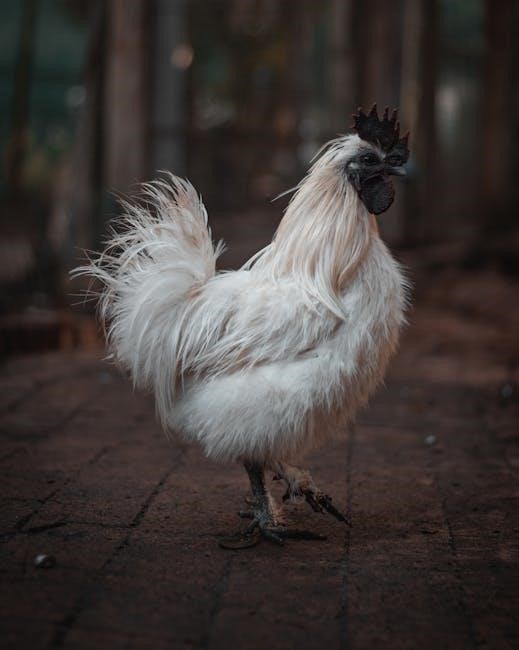
The product isn’t designed as a cure-all, but rather as a supportive treatment to bolster the chicken’s natural defenses. It’s often used proactively during times of stress, such as weather changes or introduction of new birds, and reactively when symptoms of illness appear. Many poultry keepers find VetRx a valuable addition to their biosecurity protocols.
VetRx is available in various sizes, typically sold in bottles for easy administration. It’s crucial to understand that proper dosage and application are key to its effectiveness, and this guide will detail those aspects thoroughly. Always remember to observe your chickens closely for any reactions or changes in behavior while using VetRx.
Understanding VetRx’s Key Ingredients
While the exact formulation is proprietary, VetRx contains a blend of herbal extracts known for their beneficial properties in poultry health. Key components traditionally include eucalyptus, garlic, and cayenne pepper. Eucalyptus is a potent respiratory decongestant, helping to clear airways and ease breathing difficulties. Garlic is renowned for its antimicrobial and immune-boosting qualities, supporting the bird’s natural defenses against infection.
Cayenne pepper acts as a circulatory stimulant, promoting warmth and potentially aiding in the absorption of other ingredients. These herbs work synergistically to address symptoms associated with respiratory distress and other common poultry ailments. The warm water used for dilution also plays a role, enhancing the bioavailability of the herbal compounds.
It’s important to note that VetRx isn’t a substitute for veterinary diagnosis or treatment, but rather a supportive supplement. Understanding the ingredients helps appreciate its potential benefits and informs responsible usage within a comprehensive health plan.
VetRx vs. Other Poultry Treatments
Compared to conventional antibiotics, VetRx offers a natural alternative for supporting poultry health, particularly for mild respiratory issues and early-stage ailments. While antibiotics directly target bacteria, VetRx focuses on bolstering the bird’s immune system and alleviating symptoms through its herbal components. This makes it a preferred choice for owners seeking a less aggressive approach.
Unlike some chemical treatments, VetRx generally has a lower risk of causing withdrawal issues affecting egg or meat production. However, always adhere to recommended withdrawal periods as a precaution. Other remedies, like tetracycline, are potent but require strict adherence to withdrawal times.
VetRx’s strength lies in its broad-spectrum support, addressing multiple symptoms simultaneously. It’s often used alongside supportive care like warmth and proper nutrition, complementing rather than replacing conventional veterinary interventions when necessary. It’s crucial to assess the severity of the condition before choosing a treatment path.

Administering VetRx to Your Chickens
VetRx can be given in drinking water or applied topically. Proper dosage is crucial, varying by age and size. Warming the solution enhances its effectiveness and palatability for chickens.
Dosage Guidelines for Adult Chickens
For standard, full-grown poultry, the recommended dosage of VetRx is one teaspoon dissolved in one cup of very warm water. This mixture is intended for voluntary consumption, allowing the chickens to drink the medicated water as needed. It’s vital to ensure the water is genuinely warm, as this aids in dissolving the VetRx and encourages drinking.
However, adjustments may be necessary based on the size and condition of the bird. For larger breeds, or chickens exhibiting severe symptoms, a slightly increased dosage might be considered, but always err on the side of caution. Conversely, for smaller breeds, reduce the dosage proportionally to avoid over-medication.
Additionally, VetRx can be applied directly. Rubbing a small amount of warm VetRx from the bottle over the head and under the wings can provide localized relief, particularly for respiratory issues. A stronger mix, using one teaspoonful in one-half cup of hot water, is also suggested for direct application.
Dosage Adjustments for Different Bird Sizes
Accurate VetRx dosage is crucial, and adjustments are necessary based on a chicken’s size. The standard one teaspoon per cup of warm water is a baseline for average adult birds. For significantly larger breeds like Jersey Giants, consider increasing the VetRx amount slightly, while still monitoring for any adverse reactions.
Conversely, smaller breeds such as Bantams require proportionally less VetRx. Halving the standard dose – half a teaspoon per cup of water – is generally appropriate. Chicks necessitate even more careful adjustments, detailed in a separate section. Always prioritize under-dosing over over-dosing, especially when unsure.
Remember to adjust the dosage in proportion to the bird’s size. If a bird is half the size of a standard chicken, halve the VetRx amount. Consistent observation is key; if a bird isn’t responding to the treatment, consult a veterinarian before increasing the dosage further. Use VetRx warm for optimal effectiveness.
Dosage for Chicks ⎻ Special Considerations
Administering VetRx to chicks demands extreme caution due to their delicate systems. The standard adult dosage is far too strong and potentially harmful. A significantly diluted solution is essential – a general guideline is approximately one-quarter teaspoon of VetRx per cup of very warm water. However, even this should be considered a maximum, and starting with an even weaker solution is advisable.
Chicks should receive the VetRx solution via dropper, administering only a few drops at a time. Ensure they are not forced to ingest the liquid, as aspiration is a risk. Observe closely for any signs of distress. It’s often more effective to apply a few drops directly from the bottle onto the chick’s head and under its wings, as a topical application.
Always use warm VetRx, and prioritize preventative measures to minimize the need for treatment in young chicks. Consult a veterinarian experienced with poultry for specific dosage recommendations tailored to the age and breed of your chicks.
Preparing the VetRx Solution: Water Dilution
Proper dilution of VetRx in water is crucial for effective administration and to ensure your chickens readily consume it. The standard recommendation for adult poultry is one teaspoon of VetRx dissolved into one cup of very warm water. Using warm water is essential, as it helps the VetRx dissolve completely and encourages drinking.
Begin by warming the water – it should be comfortably warm to the touch, not hot. Add the measured VetRx to the warm water and stir thoroughly until fully dissolved. Ensure no residue remains at the bottom of the container. The resulting solution should appear clear or slightly cloudy.
Prepare the solution fresh for each treatment session. Do not store diluted VetRx, as its potency diminishes over time. Offer the diluted solution in a clean waterer, ensuring it’s accessible to all birds. Monitor water consumption to gauge acceptance.
Applying VetRx Directly (Topical Application)
VetRx can also be applied topically for targeted relief, particularly beneficial for localized issues. For direct application, use the VetRx straight from the bottle – no dilution is needed. Gently rub a small amount of VetRx over the affected area, ensuring good coverage.
A common application is around the head and under the wings, especially when addressing respiratory concerns. This allows the vapors to be inhaled and provides localized support. Be careful to avoid getting VetRx directly into the eyes. For bumblefoot, thoroughly clean the affected foot and apply VetRx liberally, covering the wound.
When applying, ensure the feathers are parted to allow the VetRx to reach the skin. Warming the bottle slightly by holding it in your hands can make application more comfortable for the bird. Repeat application as needed, observing your chicken for any adverse reactions.
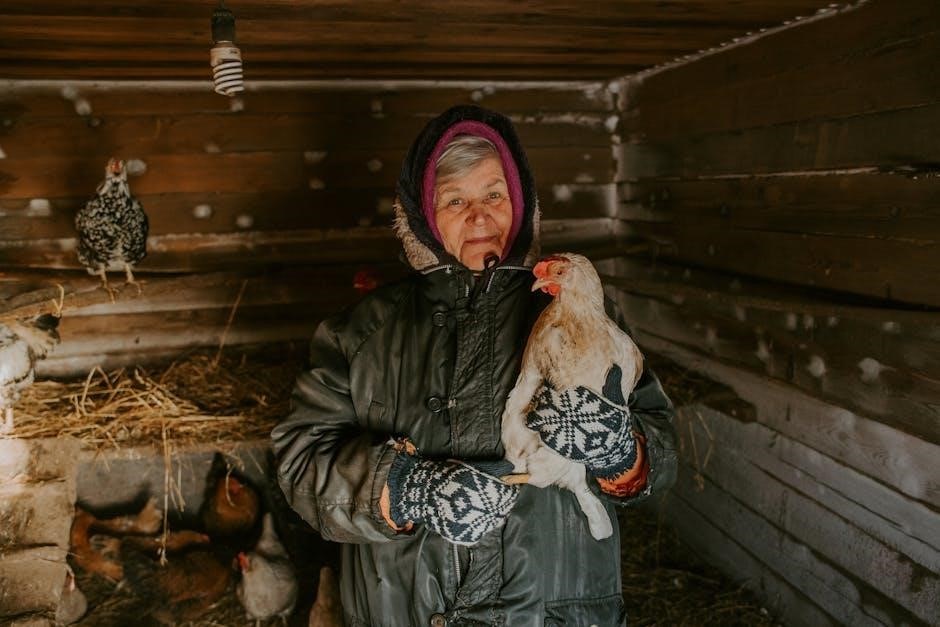
When to Use VetRx: Common Conditions
VetRx effectively addresses respiratory issues, coccidiosis, bumblefoot, feather loss, and sour crop in chickens. Observe your flock for symptoms and administer VetRx accordingly.
Respiratory Issues: Symptoms and VetRx Use
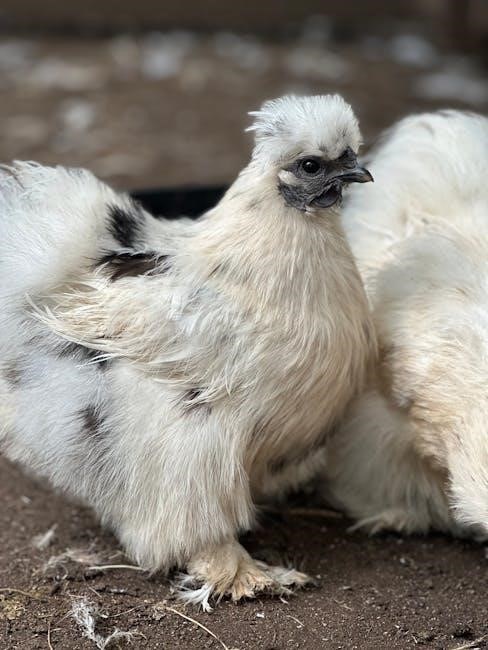
Recognizing respiratory distress in chickens is crucial for timely intervention. Common symptoms include coughing, sneezing, nasal discharge, rattling sounds during breathing, and lethargy. VetRx offers supportive care for these conditions, helping to clear airways and ease breathing.
To administer VetRx for respiratory issues, dissolve one teaspoonful in one cup of very warm water. Offer this solution for voluntary consumption, ensuring the water remains warm to encourage drinking. Alternatively, apply a few drops of undiluted VetRx directly down the throat of affected birds, being careful not to choke them.
For more severe cases, consider rubbing warm VetRx under the wings and over the head of the bird. This topical application can provide additional comfort and support. Repeat treatment several times a day as needed, monitoring your chicken’s response closely. Remember, VetRx is a supportive treatment and may not replace veterinary care for serious infections.
Treating Coccidiosis with VetRx
Coccidiosis, a parasitic disease of the intestinal tract, manifests in chickens as bloody diarrhea, weakness, and weight loss. While VetRx isn’t a cure for coccidiosis, it can provide supportive care to help birds combat the infection and recover. It’s vital to understand that veterinary-prescribed coccidicides are often necessary for complete eradication.
To use VetRx as a supportive treatment, dissolve one teaspoonful in one cup of very warm water. Offer this solution to affected chickens for voluntary consumption for several days. Ensure the water is consistently warm to encourage hydration, which is crucial for birds suffering from coccidiosis.
Additionally, consider applying a few drops of undiluted, warm VetRx directly into the beak of each bird, taking care to avoid choking. Repeat this process multiple times daily. Remember, VetRx aids recovery but doesn’t replace proper coccidicidal medication and supportive care like electrolyte solutions.
Using VetRx for Bumblefoot
Bumblefoot, a bacterial infection causing a swollen footpad in chickens, requires a multi-faceted approach to treatment. VetRx can be a valuable adjunct to traditional bumblefoot care, aiding in reducing inflammation and promoting healing. However, it’s crucial to address the underlying cause – often a rough or unsanitary environment.
After thoroughly cleaning and debriding the bumblefoot lesion (ideally by a veterinarian), apply warm VetRx directly to the affected area several times daily. The warmth helps improve circulation and encourages the absorption of the herbal ingredients. You can gently massage the VetRx into the footpad.
Simultaneously, soak the chicken’s foot in Epsom salts to draw out infection. Continue VetRx applications even after bandaging the foot, applying it to the bandage itself. Consistent, warm application of VetRx can significantly contribute to a faster and more comfortable recovery for your chicken.
VetRx for Feather Loss and Mites
Feather loss in chickens can stem from various causes, including mites, stress, or nutritional deficiencies. While VetRx isn’t a direct miticide, its properties can support feather regrowth and soothe irritated skin often associated with mite infestations. Addressing the mite issue directly with appropriate treatments is still essential.
For feather loss, apply warm VetRx directly to the affected areas of the skin, gently massaging it in. This can help stimulate blood flow to the follicles, encouraging new feather growth. A stronger mix – one teaspoonful of VetRx in one-half cup of hot water – can be particularly beneficial for localized feather loss.
Rubbing warm VetRx under the wings and over the head can help soothe skin irritation caused by mites. Remember, VetRx is a supportive treatment; a thorough coop cleaning and targeted mite control are crucial for complete eradication. Consistent application can improve skin health and feather condition.
Addressing Sour Crop with VetRx
Sour crop, a fermentation of undigested food in the crop, requires a multi-faceted approach, and VetRx can play a supportive role. It’s crucial to understand that VetRx doesn’t cure sour crop, but it can help alleviate symptoms and support the chicken’s recovery when used alongside other treatments like crop massage and dietary adjustments.
Administer warm VetRx solution (one teaspoonful to one cup of very warm water) to the affected chicken. The warmth can help stimulate crop motility, encouraging the passage of impacted food. Gently massaging the crop can also aid in this process. Ensure the chicken has access to grit to assist with digestion.
Monitor the chicken closely for improvement. If the condition doesn’t improve within 24-48 hours, or worsens, veterinary attention is essential. VetRx can help soothe the irritated crop lining, but it’s not a substitute for proper veterinary care and supportive management.
Important Considerations & Safety
VetRx should be used warm for optimal effectiveness, but avoid overheating. Always observe your flock for any adverse reactions and be mindful of egg/meat withdrawal times.
Warming VetRx: Best Practices
VetRx is most effective when administered warm, as this enhances its absorption and soothing properties for your chickens. However, proper warming techniques are crucial to maintain its efficacy and avoid potential harm. The recommended method involves placing the sealed VetRx bottle in a container of warm – not hot – water.
Avoid direct heat sources like microwaves or stovetops, as these can alter the formulation and diminish its benefits. Gently swirl the bottle to distribute the warmth evenly. Before administering, always test the temperature to ensure it’s comfortably warm to the touch, similar to body temperature.
Opening the cap briefly while in the warm water bath can also aid in warming the solution inside. Remember to use the warmed VetRx immediately after preparation, as it may cool down quickly. Consistent warmth improves palatability and encourages consumption by your flock, maximizing the treatment’s potential.
Potential Side Effects and What to Watch For
While VetRx is generally considered safe for chickens, it’s essential to be aware of potential, though uncommon, side effects. Some birds may exhibit mild, temporary digestive upset, such as slightly loose stools, particularly with higher dosages. Closely monitor your flock for any signs of discomfort or changes in behavior after administration.
Rarely, some chickens might show a temporary decrease in appetite. If this persists for more than 24 hours, discontinue use and consult a veterinarian. Allergic reactions are extremely rare, but watch for symptoms like swelling around the face or difficulty breathing, requiring immediate veterinary attention.
It’s crucial to adhere to the recommended dosage guidelines to minimize the risk of adverse effects. Always observe your chickens closely during and after treatment, and promptly address any concerning symptoms. Proper observation ensures a safe and effective treatment experience with VetRx.
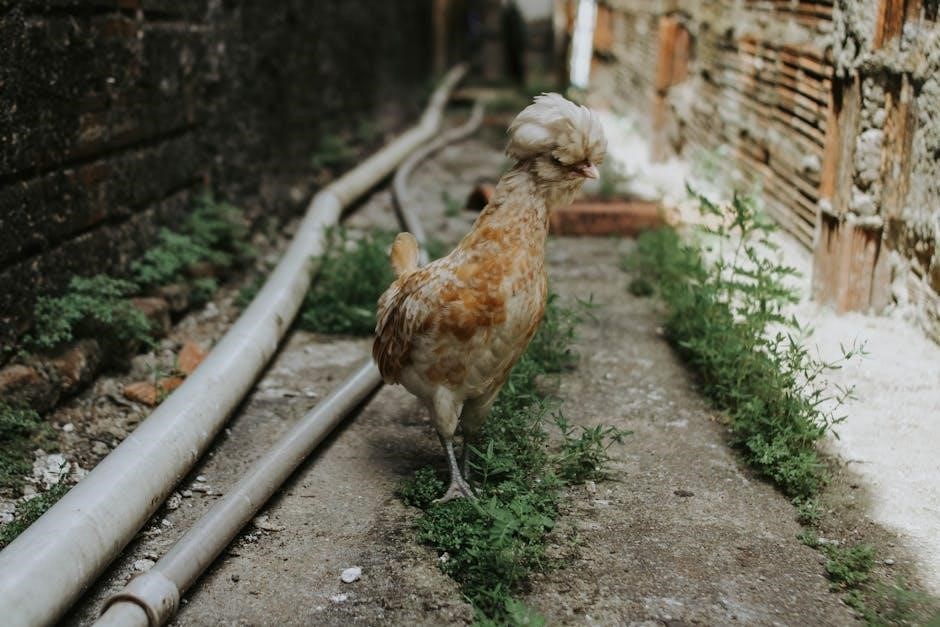
VetRx and Withdrawal Periods (Egg/Meat)
Understanding withdrawal periods is crucial when using VetRx to ensure the safety of both egg and meat consumption. As VetRx is considered an all-natural remedy, specific, officially mandated withdrawal times aren’t always clearly defined by regulatory bodies.
However, a conservative approach is always recommended. For egg-laying hens treated with VetRx, it’s generally advised to withhold eggs for at least 7 days after completing the treatment course. This allows sufficient time for the product to clear the system.

For meat birds, a withdrawal period of 28 days is typically suggested before slaughter. This longer period ensures that no residue remains in the meat. Always check with your local regulations and a veterinarian for specific guidance tailored to your region and flock. Prioritizing safety and responsible practices is paramount.
Storage and Shelf Life of VetRx
Proper storage is essential to maintain the potency and effectiveness of VetRx. It’s best to store VetRx in a cool, dark, and dry place, away from direct sunlight and extreme temperatures. Avoid storing it in areas prone to freezing, as this can compromise the product’s integrity.
The unopened bottle of VetRx generally has a shelf life of two years from the date of manufacture, as indicated on the packaging. Once opened, it’s recommended to use the VetRx within six months for optimal results. Always check the expiration date before administering it to your chickens.
Ensure the cap is tightly sealed after each use to prevent contamination and maintain freshness. Discard any VetRx that appears cloudy, discolored, or has an unusual odor, as this may indicate spoilage.
VetRx Interactions with Other Medications
While VetRx is an all-natural product, it’s crucial to consider potential interactions when your chickens are receiving other medications. VetRx hasn’t been extensively studied for interactions, so caution is paramount. Avoid concurrent use with strong antibiotics unless specifically directed by a veterinarian, as VetRx may potentially interfere with antibiotic efficacy.
If your chickens are on any prescription drugs, particularly those affecting the immune system or gut flora, consult your veterinarian before administering VetRx. They can assess the potential risks and benefits based on your bird’s specific condition and treatment plan.
Be mindful of other herbal remedies or supplements your chickens are receiving. Combining multiple treatments without veterinary guidance could lead to unforeseen effects. Always prioritize professional advice to ensure the safety and well-being of your flock.
Advanced VetRx Techniques
VetRx can be utilized in nebulizers for enhanced respiratory treatment, combined with supportive care like warmth and electrolytes, and requires careful monitoring
of
your
chicken’s
response.
Using VetRx in a Nebulizer
Employing a nebulizer with VetRx offers a highly effective method for delivering the medication directly to a chicken’s respiratory system, particularly beneficial for birds experiencing significant breathing difficulties. To prepare the solution, use one teaspoon of VetRx dissolved in one cup of very warm water, ensuring it’s thoroughly mixed.
Follow the manufacturer’s instructions for your specific nebulizer model. Typically, this involves filling the nebulizer chamber with the VetRx solution and allowing the chicken to inhale the mist for approximately 10-20 minutes. It’s crucial to ensure the chicken remains calm during the process; gentle handling and a quiet environment are essential.
Nebulizer treatments are often administered 2-3 times daily, depending on the severity of the respiratory issue. Always observe your chicken closely for any adverse reactions, and consult with a veterinarian if symptoms worsen or do not improve after a few days of treatment. Proper cleaning and disinfection of the nebulizer after each use are vital to prevent the spread of infection.
Combining VetRx with Other Supportive Care
While VetRx is a valuable tool, maximizing its effectiveness often requires combining it with other supportive care measures; Maintaining optimal environmental conditions is paramount; ensure a warm, dry, and well-ventilated coop. Providing a nutritious diet rich in vitamins and electrolytes strengthens the chicken’s immune system, aiding recovery.
For respiratory issues, supplementing with probiotics can help restore gut health, which is closely linked to immune function. Offering warm, easily digestible foods like cooked oats or scrambled eggs can encourage appetite and provide essential nutrients. Ensure constant access to fresh, clean water.
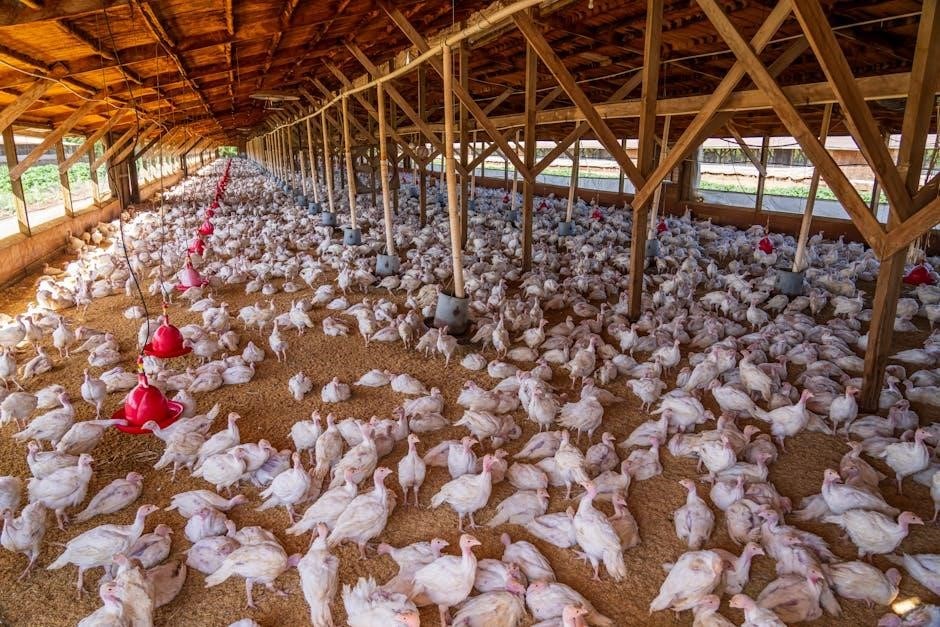
If a chicken is weak or dehydrated, consider administering electrolytes in the drinking water. Gently cleaning the nostrils to remove any discharge can also improve breathing. Remember, VetRx is most effective when used as part of a holistic approach to chicken health, addressing both the symptoms and the underlying causes of illness.
Monitoring Your Chicken’s Response to Treatment
Careful observation is crucial when administering VetRx. Begin by noting the initial symptoms – respiratory distress, lethargy, or other signs – before starting treatment. Monitor your chicken closely for any changes, both positive and negative, over the course of 24-48 hours.
Look for improvements in breathing, increased energy levels, and a return to normal eating and drinking habits. If symptoms worsen or fail to improve within this timeframe, re-evaluate the dosage or consider consulting a veterinarian. Watch for any adverse reactions, though VetRx is generally well-tolerated.
Consistent monitoring allows you to adjust the treatment plan as needed and ensures the best possible outcome for your feathered friend. Keep a record of the VetRx administration, dosage, and observed changes to help track progress and inform future treatments. Early intervention and diligent observation are key to successful poultry care.